

At a glance
| Field | Detail |
|---|---|
| What | Review teen advertising controls alongside access to supporting account content. |
| Who it matters to | App advertisers considering teen audiences and Instagram profiles in acquisition plans. |
| Where | Facebook and Instagram advertising, plus Instagram Teen Account content settings. |
| When it applies | Before forecasting reach or relying on profile visits and social interactions. |
| Action | Verify campaign eligibility, review the intended journey, and define the app outcome. |
Meta teen advertising planning involves separate decisions about audience selection and access to account content. The advertising controls and Teen Account protections described by Meta address different parts of that journey. Our suggested approach is to document each dependency before forecasting an app campaign, particularly when the plan includes a visit to the app brand's Instagram profile.

Start with the advertising limits
PPC Land's reporting described Meta's removal of gender targeting for teens and its reliance on age and location. It also reported that teens' engagement with posts and pages would no longer inform their ads. TechCrunch also reported the removal of gender targeting.
For an app buyer, our suggested check is to inspect the audience assumptions in the brief. Flag any proposed segmentation based on gender, interests, or engagement with particular accounts. Ask which assumptions remain usable in the actual campaign setup before treating the brief as a reachable audience.
In its official advertising announcement, Meta explained that interest and activity targeting had already been removed. It also described controls allowing teens to request fewer ads about a topic and hide ads from a particular advertiser. Restricted advertising topics remained subject to its policies.
These announcements provide historical context for the controls. They do not establish that a particular app, objective, or market is eligible today. Our interpretation is that an audience description needs a separate eligibility check before it becomes a media forecast.
Review the account experience behind the ad
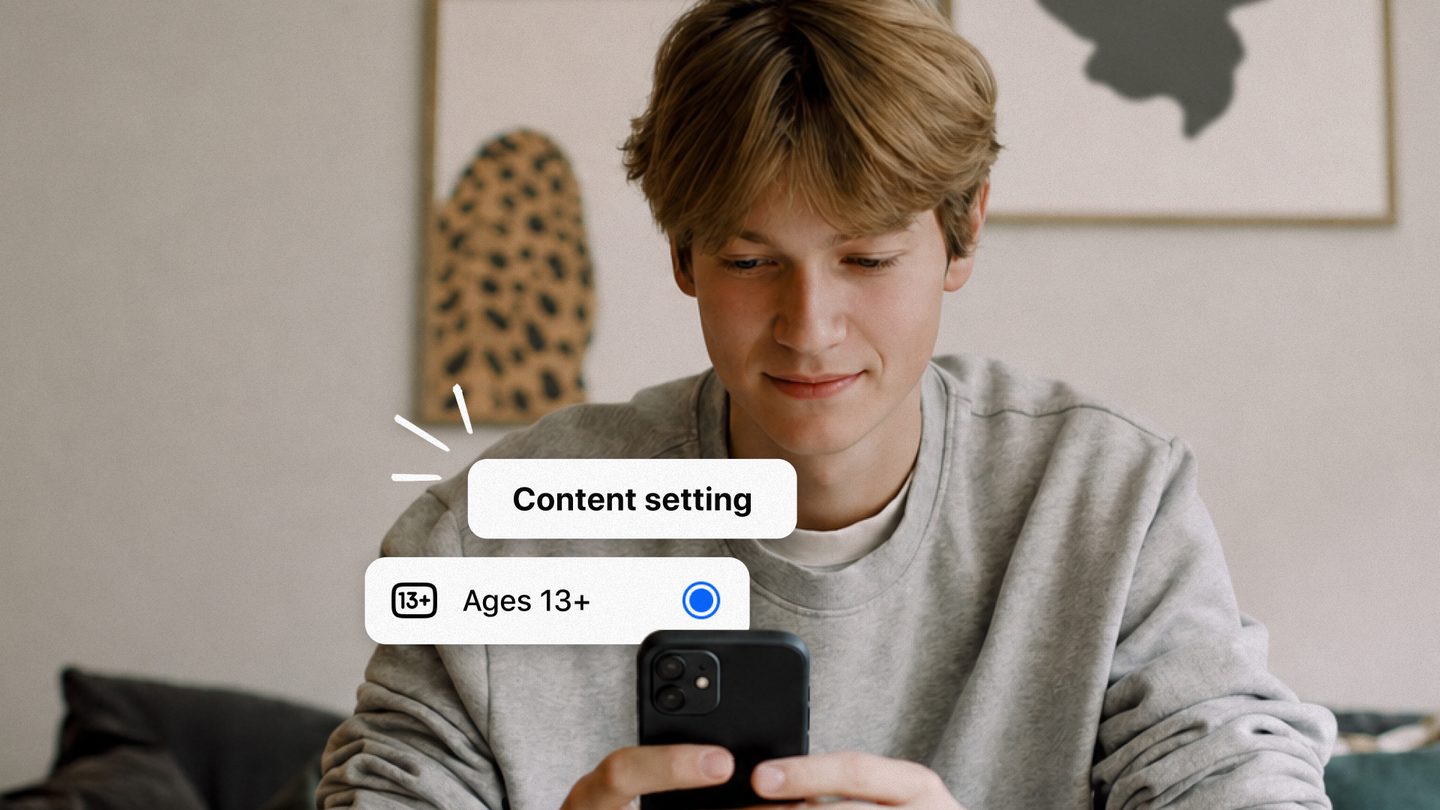
Meta's updated Instagram explanation says teens cannot follow accounts found to regularly share inappropriate content, including accounts whose names or bios suggest they are inappropriate. Existing teen followers can lose content access; an update also describes removing them from affected follower lists. The stricter Limited Content setting removes the ability to see, leave, or receive comments under posts.
Our suggested review should therefore cover the account experience as well as the proposed ad. Record whether the journey depends on following, viewing posts, or using comments. Assign an owner to verify each dependency before it becomes part of the acquisition plan.
Meta's global-expansion update described extending its content settings across Instagram, Facebook, and Messenger. On Facebook, the settings limit interactions with accounts and other destinations that primarily post inappropriate content. On Messenger, they limit access to links to inappropriate Facebook content and chats with certain accounts.
Our planning interpretation is to review the specific service and destination involved. A broad statement about expansion does not establish that every step in a proposed app journey is available.
Match the evidence to the decision
The final column below contains suggested checks, rather than additional platform requirements.
| Decision or approach | Source-backed control | Limitation | Suggested check |
|---|---|---|---|
| Define the teen audience | Meta described age and location as advertising inputs. | Adult targeting assumptions may be unavailable. | Verify the proposed audience in the intended setup. |
| Include an Instagram profile visit | Teen protections restrict access to affected accounts. | Following does not establish continuing access. | Review the account dependency. |
| Use comments in the journey | Limited Content restricts comment access. | Interaction opportunities differ by setting. | Check whether the journey requires comments. |
| Plan across Meta services | Meta described expanding content settings globally. | Content settings do not establish app campaign eligibility. | Verify each advertising and destination requirement separately. |
Keep the app outcome explicit
App campaign eligibility by objective, teen-specific attribution windows, and reporting detail are not specified in the cited documentation. The sources also provide no app acquisition benchmark from which to forecast install costs or subscription conversion.
For planning, we suggest recording the intended app action alongside the audience and destination checks. State whether the campaign is intended to produce installs, activation, or a paid outcome. Then identify the evidence needed to assess that action. An acquisition outcome plan can help keep those definitions explicit.
Use that record to separate unresolved setup questions from measurement questions. For example, a proposed profile interaction needs an accessibility check; an intended app activation needs a defined event and reporting basis. These are our suggested planning distinctions. The cited announcements do not prescribe this workflow or guarantee an acquisition result.
What to review
- Check audience assumptions against the controls available for the intended app campaign.
- Verify advertising eligibility separately from account and content access.
- Review dependencies on follows, profile visits, and comments.
- Confirm the relevant service, market, and app objective before forecasting reach.
- Define the app outcome and reporting basis independently of social engagement.
- Record unresolved questions before committing the campaign plan.